Conservation of Waterlogged Organic Finds
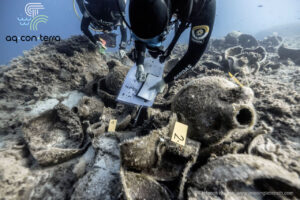
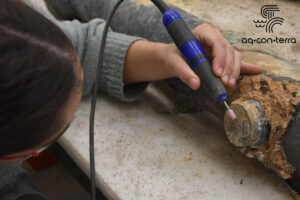
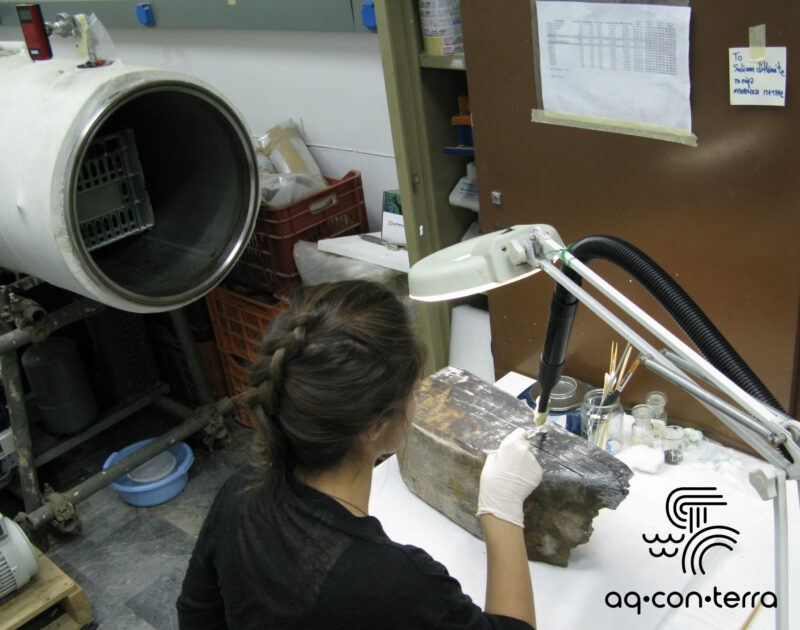
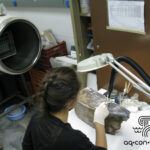
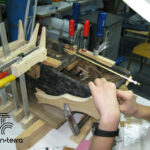
Organic materials are highly susceptible to biological and chemical degradation, and prolonged exposure to underwater conditions can lead to severe deterioration. The discovery and recovery of submerged archaeological organic finds can be of exceptional archaeological significance, providing valuable information about the chronology and construction of a submerged site. From a conservation perspective, materials recovered from marine environments cannot simply be dried immediately after excavation. They have absorbed water and soluble salts from their surroundings, and uncontrolled drying can cause significant physical and chemical stresses within the material. These stresses can lead to deformation, cracking, structural weakening, breakage, and irreversible loss of archaeological material. Our team specializes in the conservation of waterlogged organic materials, providing tailored treatments such as freeze-drying to support their stabilization and long-term preservation.
No certifications available.
| Categories | Underwater Archaeology with a Focus on Conservation |
|---|---|
| Tags | Innovative |
| Seller | aqCONterra |